The Best Champagne Recommendations
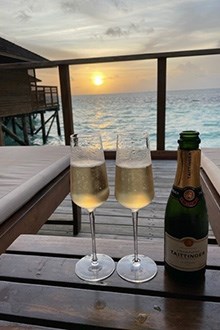
Across the industry there is Champagne at some eye-bogglingly low prices and some equally eye-bogglingly high ones. Yet every bottle is subject to the same strict regulations, designed to preserve the quality and character of the region. What sets the great ones apart is the masterful work of the cellarmasters and their legendary tasting skill. For non-vintage Champagne, such as Bollinger or Laurent-Perrier NV, hundreds of different parcels of grapes are blended each year to achieve a consistent house style. For vintage Champagne, parcels from a single year are blended, each vinified in minutely or largely different ways, to create a flavour that reflects the vintage.
Below are my picks across every style, from everyday non-vintage to the grandest cuvées. Looking for an excuse to pop a cork? Champagne even has its own day, held on the fourth Friday of October. Treat these as your recommendations for it and beyond!
Non-Vintage Champagne Recommendations
Non-Vintage Champagne is the staple of the market, largely because they are both delicious and good quality whilst being more affordable as Champagne goes. NV Champagne is a blend across different years designed to reflect a "house style". For example, Veuve is a well known punchy Champagne due to its heavier use of Pinot Noir in the blend, whilst Bollinger use a greater level of reserve wine (older in age) which gives depth and richness.
My first choice funnily enough is Bollinger Special Cuvée. The use of more reserve wine takes it the extra mile and makes it particularly decadent. Like Veuve, it also makes Pinot Noir a majority in the blend, and that matches the richer reserve wines excellently. It is also cellar aged for twice as long as required by appellation regulations. As a result, the Champagne is complex with ripe fruits and spicy notes. Age is shown through cooked apples, nuts and dried peaches which are kept fresh by pear and high acidity. It has a signature brioche yeasty palate too which is a must-have in great Champagne.

Similar Champagnes such as Laurent-Perrier La Cuvée, Taittinger Brut and Veuve Clicquot are all classics we know well, so I won't bore you with a breakdown, but instead suggest something you may not have had.
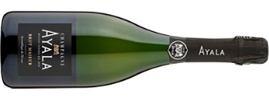
Ayala Brut Majeur is a great Champagne also made by the Bollinger name but lesser known. I was lucky enough to attend a Champagne tasting dinner at Bollinger's UK HQ in Bermondsey where this one really appealed to me. It is a Chardonnay-led blend with real purity and elegance. This Champagne is all about expressing flavours from the grapes and letting them do the talking. It also undergoes an extended ageing length of three years in their cellars which gives it the complexity edge over competitors. Expect citrus, white flowers and general expressive fruits with hidden depths of complexity the more you sip it, and a sharp finesse demonstrating the masterful winemaking.
Vintage Champagne Recommendations
Besides the obvious single vintage grape harvest, Vintage Champagne is subject to stricter regulations and longer ageing than NV and in most houses is only made in years where the harvest is deemed worthy of making a Vintage Champagne.
One of my top choices has to be Taittinger Vintage. The 2016 in particular is a wonderful mix of flinty, bready, gingerbread and white fruit flavours, a dollop of honeysuckle and a very long, creamy finish that has an orange peel tone to it.

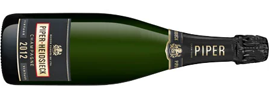
The Piper-Heidsieck Vintage is another technically fantastic Vintage Champagne. The 2014 is the one that springs to mind. Displaying ripe fruit flavours of apricot, tangerine and pear, it has a floral element of orange blossom and the lovely vintage mainstay of brioche, as well as some toasted almond to reflect the age.
A slightly more pocket-friendly alternative is the Chanoine Frères 'Réserve Privée' Vintage. This is made by the second oldest Champagne house, so it is fair to say they have experience. You'll find a delicate expression of lemon, hazelnut and orange peel.

Rosé Champagne Recommendations
Rosé Champagnes are made in two distinct methods. The first and most common is the addition of still red wine (often Pinot Noir) to the blend, which adds body and red fruit flavours. The second, most famously used by Laurent-Perrier, is known as the saignée or bleeding method. This can arguably create a more harmonious style, as the juice of black grapes is drawn from the vat and used, rather than blending white and red wines.
As Rosé Champagne goes, I am very partial to the Veuve Clicquot Rosé. Compared to say Moët or Laurent-Perrier, this one is extremely rich and full bodied with notes of wild strawberry and cranberry, hazelnut and brioche. An excellent companion to strong cheeses.

Laurent-Perrier Rosé is definitely up there too, but one that fewer people go for that I would suggest instead is the Bollinger Rosé. It is full of luscious red berries and a touch of spice.

Blanc de Blancs and Blanc de Noirs Recommendations
The clue is in the name of these wines. Blanc de Blancs Champagnes create a white Champagne using only white grapes, whilst Blanc de Noirs Champagnes create a white Champagne from only black grapes.
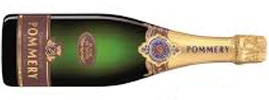
A Blanc de Noirs I'd recommend trying at the premium end is the Pommery Apanage Blanc de Noirs. The nose is elegant with subtle floral notes, strawberry and frangipani, which develop into a creamy body filled with pear, red fruit and spices.
For Blanc de Blancs, there is one very obvious candidate to my mind. That is the Ruinart Blanc de Blancs. It is 100% Chardonnay with up to 25% reserve wine blended in. It has an intense nose with ripe citrus fruits, tropical fruits and white flowers. It feels supple and delicate with well balanced freshness and fine bubbles.

Prestige Cuvée Recommendations
These are the crème de la crème of the Champagne houses. The Champagnes with no expense spared and absolute perfection.
I have been lucky enough to try one of the most sought-after Champagnes in the world a few times, from a 1996 Rosé, the P2, and three or four other vintages of the white Champagne. Yes, it is the wonderful Dom Pérignon. Named after the monk long credited with inventing Champagne, who in fact regarded the bubbles as a fault in the wine, this Champagne needs to display all reverence for the name. And it certainly does. It is only ever made in vintage years, so tasting notes will differ, but generally the wines have a strong brioche presence from ageing as well as a beautiful floral and citrus character. Complexity and minerality abound.

The other prestige cuvée I'd draw attention to is Krug Grande Cuvée. Krug has a fascination with drawing parallels between musical composition and winemaking, and goes so far as to create classical music to pair with your bottle, using unique codes stamped on the bottle known as "Krug iD". The wine is a blend of over 120 wines up to 10 years old and is created each year. The vast level of blending generates real complexity, a myriad of flavours, and allows it to be tinkered with to perfection. One of the standout flavours to me in the Krug I have tried was grapefruit, which adds a real depth and point of difference versus other Champagnes.
 Shop All Champagne >